
The Allure of Risk
One of the primary psychological draws of gambling is the thrill associated with risk-taking. Humans are instinctively attracted to uncertainty, as it taps into a primal part of our behavior. This attraction is often heightened in environments designed for gambling, where the atmosphere is charged with excitement and anticipation. Players feel a surge of adrenaline as they approach the gambling table or slot machines, driven by the possibility of winning big and the exhilarating highs that come with it, especially at an online casino accepting neosurf where options are plentiful. The environment is meticulously crafted to amplify these feelings, creating a sensory experience that enhances the desire to engage in gambling.
This risk-taking behavior is not solely about monetary gain; it encompasses a broader spectrum of psychological rewards. The very act of placing a bet can invoke feelings of empowerment and control, albeit temporary. For many, this sensation can serve as a welcome escape from the mundane realities of everyday life. The juxtaposition of risk and potential reward creates a compelling psychological cocktail that further fuels the desire to gamble, making it an attractive option for those seeking thrills.
Additionally, the concept of loss aversion plays a crucial role in gambling behavior. Players often remember their losses more vividly than their wins, leading to a cycle of chasing losses. The urge to recoup funds lost can create an addictive loop, where individuals feel compelled to continue playing, hoping for that elusive win that will restore their balance. This psychological aspect illustrates how the allure of risk can often tip into compulsive behavior, making it an essential factor in understanding why people engage in gambling activities.
The Influence of Environment
The environment in which gambling occurs significantly impacts human behavior and decision-making. Casinos and gaming establishments are meticulously designed to enhance the gambling experience; everything from lighting to sound is tailored to create a sense of euphoria and excitement. Bright lights and engaging sounds stimulate players, drawing them into a trance-like state where they might lose track of time and money. This deliberate design exploits human psychology to keep players engaged far longer than they may have intended, making it challenging to step away even when they wish to do so.
Moreover, social influences can also play a substantial role in gambling behaviors. The presence of others, whether friends or strangers, can create a sense of camaraderie and shared experience. This social aspect fosters an environment where individuals may feel pressure to engage in gambling behaviors, even if they wouldn’t typically choose to do so. In group settings, the excitement can be contagious, paving the way for individuals to partake in gambling as a form of social validation or bonding, reinforcing their participation through shared emotional highs.
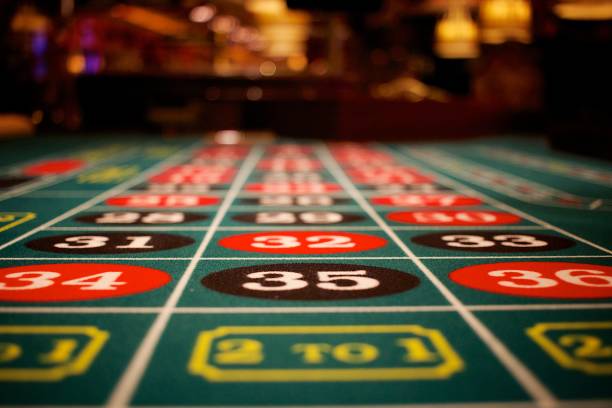
Furthermore, elements of competition and status are deeply embedded in the gambling environment. Players often derive a sense of identity and self-worth from their gambling experiences, tying their self-esteem to their performance at the tables. This psychological connection between gambling success and personal value can lead to a heightened sense of competition, pushing individuals to engage more deeply and frequently in gambling activities as they seek recognition and accomplishment. This competitive drive can intensify their commitment to gambling, making it more than just a recreational activity.
The Role of Emotion and Addiction
Emotional responses play a significant role in why individuals choose to gamble. For many, gambling serves as an emotional escape, providing a temporary reprieve from stress, anxiety, or depression. The rush of excitement and the anticipation of winning can create a euphoric state that contrasts starkly with everyday life challenges. Consequently, the emotional high derived from a successful gamble becomes a reinforcing factor, encouraging individuals to return to gambling in search of similar thrills and allowing them to momentarily forget their problems.
This emotional relationship with gambling can escalate into problematic gambling behavior. As individuals seek to replicate those initial feelings of excitement or to escape from negative emotions, they may find themselves gambling more frequently or at higher stakes. The brain’s reward system is activated during gambling, releasing dopamine and contributing to feelings of pleasure. Over time, this can condition players to associate gambling with positive emotional experiences, leading to a cycle that is difficult to break, as they begin to rely on gambling as their primary source of joy or excitement.
Understanding the emotional component also helps in recognizing signs of gambling addiction. When gambling transitions from a recreational activity to a compulsive habit, it often reflects deeper emotional issues. Individuals might start to gamble as a means of coping with personal problems, leading to a vicious cycle where the outcome of gambling exacerbates their stress rather than alleviating it. Awareness of these emotional triggers is crucial for both individuals and those around them, as it can provide insight into healthier coping mechanisms and highlight the potential need for professional help.
The Intersection of Luck and Skill
The debate surrounding luck versus skill in gambling is another fascinating psychological aspect that influences behavior. Many people engage in gambling under the belief that skill can enhance their chances of winning, especially in games like poker or blackjack where strategy plays a significant role. This perception creates a false sense of confidence that can lead individuals to gamble more frequently, as they believe they can outsmart the odds through skillful tactics, leading them to take risks they might otherwise avoid.

On the other hand, the inherent randomness of many gambling games, particularly slot machines, emphasizes the role of luck. Players often find themselves attributing their wins or losses to fate, which can enhance the thrill of the experience. This dichotomy—between skill and luck—fuels various psychological responses, including overconfidence and misjudgment of risk. Players might convince themselves they are on a winning streak or possess a “lucky charm,” further entrenching their gambling habits and leading to potentially reckless gambling decisions.
Additionally, this interplay can affect decision-making and risk assessment. When players perceive their skills contributing to their successes, they may be more inclined to increase their bets or gamble larger amounts, underestimating the inherent risks involved. This mindset can lead to significant financial repercussions, illustrating how the psychological constructs of luck and skill are intertwined, shaping the experiences and choices of gamblers. Understanding this dynamic is essential for developing strategies that can mitigate the risks associated with gambling.
Your Source for Insight on Gambling Psychology
At our website, we delve deep into the intricate world of gambling psychology, exploring the myriad factors that influence why individuals engage in this activity. Our comprehensive resources aim to provide readers with a nuanced understanding of the psychological constructs at play, from risk perception to emotional responses. We are committed to shedding light on the often-misunderstood motivations behind gambling behaviors, empowering our audience with knowledge that can lead to healthier choices and informed decisions regarding gambling.
Whether you are looking to better understand your own gambling habits or seeking insights to help someone else, our articles offer a wealth of information, grounded in research and real-world observations. We strive to create an informative platform that encourages responsible gambling and offers support for those who may be grappling with gambling-related issues. Our content is designed to equip readers with the tools they need to navigate their experiences with gambling more thoughtfully.
Join us on this journey as we explore the psychological dimensions of gambling, providing valuable tools and insights that foster a better understanding of this complex behavior. Your engagement with our content can empower you to navigate the gambling landscape with greater awareness and responsibility, ensuring that your experiences are not only enjoyable but also safe and healthy. We look forward to being your trusted source for information on gambling psychology.